
Behavior Traits of the BJ88 Rooster
The BJ88 rooster is a remarkable breed that has gained popularity among poultry enthusiasts and farmers alike. Known for its vibrant plumage and unique personality, this rooster exhibits behavior traits that are not only captivating but also essential for understanding its needs and managing its care effectively. From social interactions to territorial instincts, the bj88 rooster showcases a variety of behaviors that reflect its heritage and environment. In this article, we will delve into the fascinating world of the BJ88 rooster’s behavior traits, exploring their social structure, communication methods, territorial nature, adaptability to environments, parenting behaviors, and health-related issues.
Social Structure of the BJ88 Rooster
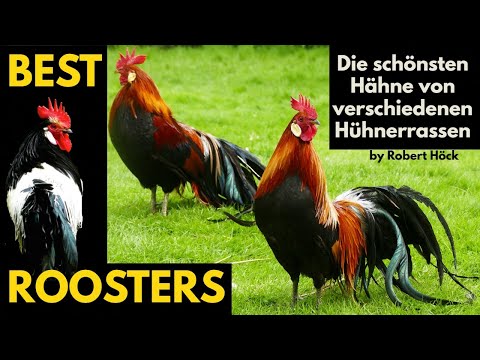
Understanding the social structure of the BJ88 rooster is crucial when raising these birds. Like many other chicken breeds, they thrive in a structured hierarchy often referred to as the pecking order. This natural organization significantly impacts their behavior and interaction with each other.
Pecking Order Dynamics
The pecking order is a fundamental aspect of chicken behavior. In a flock, roosters establish dominance through various displays, such as posturing and vocalizations. The BJ88 rooster is known for being assertive, which helps them secure a higher position within the flock.
When introduced to new birds, the BJ88 may initially display aggressive behavior as they assess their place in the hierarchy. This period of adjustment is vital; it ensures that the rooster recognizes its position while maintaining peace within the group. Observing these dynamics can be beneficial for poultry owners, allowing them to manage their flocks efficiently and prevent unnecessary stress or aggression.
Interactions with Hens
BJ88 roosters exhibit distinct behaviors toward hens, showcasing a blend of protective instincts and mating rituals. During mating season, these roosters can become particularly active, engaging in courtship displays that include elaborate dances and vocalizations to attract females.
Their behavior towards hens also includes protection from perceived threats. A BJ88 rooster is typically vigilant, constantly scanning their surroundings for intruders. When danger approaches, these roosters will position themselves between the hens and the threat, signaling them to retreat. Such protective behavior is an essential trait, ensuring the safety and well-being of the flock.
Social Bonds within the Flock
While the BJ88 rooster is naturally dominant, it is also capable of forming bonds with specific hens. These relationships often manifest through unique interactions, such as preening and close physical proximity during rest periods.
Understanding these social bonds is vital for owners looking to maintain a harmonious flock. By providing adequate space and resources, owners can facilitate positive interactions among their birds, reducing stress and promoting overall welfare. Additionally, observing how these bonds develop can offer insights into the individual personalities of both the rooster and hens.
See more: thể thao bj88
Communication Methods of the BJ88 Rooster
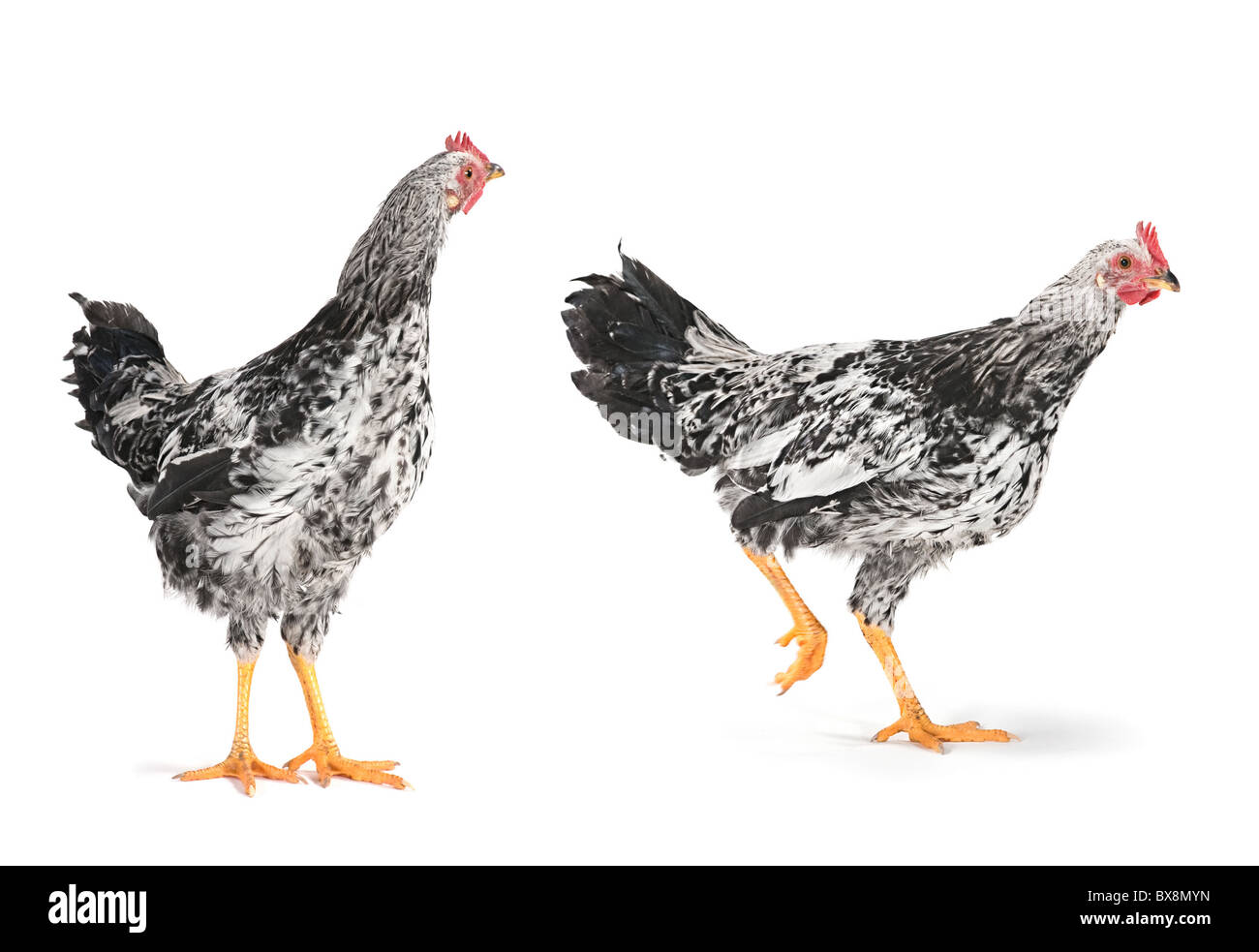
Communication plays a pivotal role in the behavioral traits of the BJ88 rooster. Through a combination of vocalizations, body language, and visual displays, these roosters express their feelings and intentions.
Vocalizations and Their Meanings
BJ88 roosters are known for their repertoire of sounds, each serving a particular purpose. Their iconic crowing is not only a morning wake-up call but also a way to establish territory and assert dominance. The intensity and pitch of the crow can vary depending on the situation, reflecting the rooster’s emotional state.
In addition to crowing, BJ88 roosters produce clucks, chirps, and purrs. Clucking often signals contentment or reassurance, while softer sounds can indicate distress or discomfort. Being attuned to these vocalizations allows owners to better understand their roosters’ needs and ensure their emotional well-being.
Body Language as a Communication Tool
In addition to vocalizations, body language serves as another crucial form of communication for the BJ88 rooster. Posture, feather positioning, and movement patterns all convey different messages. For instance, a rooster standing tall with feathers puffed out may be asserting dominance, while a more relaxed posture suggests calmness and confidence.
Observing these subtle cues can help owners gauge the social dynamics within the flock. Recognizing signs of aggression or submission can aid in managing interactions and minimizing conflicts. Furthermore, understanding body language enhances the overall relationship between the rooster and its caretaker.
Visual Displays and Courtship Rituals
Courtship displays are an essential part of the BJ88 rooster’s behavioral repertoire, especially during breeding seasons. Males engage in various visual presentations to attract hens. These displays often include elaborate dances, where the rooster fans its tail feathers, lowers its head, and performs intricate movements.
Such courtship behaviors are not just about reproduction; they also contribute to the social cohesion of the flock. Watching these displays can provide valuable insights into the rooster’s health and vitality, as well as its ability to attract mates. Capturing these moments can also be rewarding for poultry enthusiasts who appreciate the beauty of avian courtship rituals.
Territorial Nature of the BJ88 Rooster

Territoriality is a prominent characteristic of the BJ88 rooster, influencing its behavior and interactions within a defined area. Understanding this trait is essential for proper management and care.
Defining Territory
BJ88 roosters instinctively define and defend their territories, which may extend beyond their immediate living space. They use vocalizations and physical posturing to assert their presence, especially during mating season. Establishing a territory not only serves to attract mates but also deters potential rivals.
In multi-rooster settings, conflicts may arise as individuals vie for control over prime territories. Owners must be aware of this behavior to avoid overcrowding and ensure that every rooster has access to sufficient resources. Managing territories effectively contributes to a peaceful and productive flock environment.
Displaying Territorial Behavior
BJ88 roosters exhibit various behaviors to signal their territoriality. They may engage in loud crowing, increased visual displays, and even physical confrontations to reaffirm their dominance. These actions are often accompanied by aggressive body language, such as puffing up feathers and charging at perceived threats.
Recognizing and addressing these territorial behaviors is crucial for flock management. Providing ample space, resources, and hiding spots can help minimize conflicts and reduce stress. Additionally, observing the interactions between roosters allows owners to intervene when necessary, ensuring a balanced social structure.
Implications for Flock Management
Proper management of territorial behaviors is essential for maintaining harmony within a mixed flock. Roosters should ideally be housed separately if there are multiple males to minimize stress and competition. Additionally, ensuring that hens have enough space and resources can alleviate tensions between roosters and promote a healthier environment.
Understanding the territorial nature of the BJ88 rooster not only improves flock dynamics but also enhances the overall well-being of the birds. By fostering a peaceful coexistence, owners can enjoy the benefits of raising healthy, happy roosters while appreciating their unique behaviors.
Adaptability of the BJ88 Rooster to Environments
The BJ88 rooster is known for its adaptability, making it suitable for a wide range of environmental conditions. This trait allows them to thrive in various settings, whether rural farms or urban backyards.
Resilience to Different Weather Conditions
BJ88 roosters demonstrate resilience to diverse weather conditions, including heat, cold, and humidity. Their dense feathering provides insulation during chilly temperatures, while their ability to seek shade helps them cope with heat. Owners should ensure that their birds have access to appropriate shelter and clean water to facilitate comfort during extreme weather.
Understanding the adaptability of BJ88 roosters can also inform management decisions related to housing and care. By creating environments that cater to their needs, owners can enhance the well-being of their birds and promote optimal growth and health.
Socialization in Diverse Settings
The BJ88 rooster’s adaptability extends beyond environmental factors to social interactions. These roosters are generally friendly and sociable, making them suitable companions for families and other animals. Their ability to integrate into varying social groups enhances their appeal as pets or farm animals.
Customized socialization efforts can further strengthen their adaptability. Exposing them to different environments, people, and animals helps reduce anxiety and fosters healthy behaviors. Regular interaction and positive reinforcement can build trust and strengthen bonds between the rooster and its caretaker.
Behavioral Changes in New Environments
When transitioning to a new environment, BJ88 roosters may experience temporary stress or anxiety. Recognizing this behavior is crucial for smooth adjustments. Gradually introducing them to their new surroundings and providing familiar objects or companions can ease the transition process.
Monitoring behavioral changes during this adaptation phase allows owners to identify potential stressors and address them promptly. By prioritizing the comfort and well-being of the BJ88 rooster, owners can create a positive and enriching environment that supports their unique personalities.
Parenting Behaviors of the BJ88 Rooster
Parenting behaviors play a vital role in the growth and development of the BJ88 rooster’s offspring. Understanding these behaviors offers insight into the nurturing instincts of these birds.
Nesting and Brooding Instincts
BJ88 roosters exhibit strong instincts when it comes to nesting and brooding. While the primary responsibility for incubation lies with the hens, roosters actively participate in creating a safe environment for their chicks. They assist hens in finding suitable nesting sites and protect them from potential threats.
During the brooding period, roosters remain close to the nest, acting as guardians for the hen and her eggs. Their protective nature ensures that the eggs are shielded from predators and disturbances, contributing to the successful hatching of the chicks.
Teaching Chicks Essential Skills
Once the chicks hatch, BJ88 roosters continue to play a significant role in their upbringing. They instinctively guide the chicks in foraging for food and water, teaching them essential survival skills. Roosters often lead their offspring to safe feeding areas, showcasing their nurturing behavior.
Social learning is also crucial during this phase, as chicks observe and mimic the behavior of their parents. Understanding this dynamic allows owners to appreciate the importance of parental involvement in the early development of BJ88 roosters, fostering a caring environment conducive to growth.
Creating a Safe Environment for Offspring
To support the parenting behaviors of BJ88 roosters, owners can make several accommodations. Providing ample space for the family unit and designing a safe enclosure helps protect chicks from potential dangers. Access to fresh food, clean water, and shelter is essential for promoting healthy growth and development.
Owners should also monitor the interactions between the rooster and its chicks to ensure positive relationships. By creating a supportive environment, owners can witness the beautiful bond between the BJ88 rooster and its offspring, enhancing their appreciation for these remarkable birds.
Health-Related Issues Affecting the BJ88 Rooster
Like all poultry breeds, BJ88 roosters are susceptible to certain health-related issues that can impact their behavior and overall well-being. Understanding these challenges is essential for effective flock management.
Common Health Concerns
BJ88 roosters may experience various health concerns, including respiratory infections, parasites, and nutritional deficiencies. Recognizing the signs of illness is crucial for timely intervention. Symptoms may include lethargy, changes in appetite, respiratory distress, and abnormal droppings.
Regular health checks and proactive measures can help mitigate the risk of these common issues. Owners should establish a routine for monitoring their flock’s health, ensuring they receive vaccinations and treatments as needed.
Impact of Stress on Behavior
Stress can significantly influence the behavior of BJ88 roosters. Factors such as overcrowding, environmental changes, and inadequate nutrition can lead to heightened stress levels, resulting in aggression, withdrawal, or decreased egg production.
Creating a stable and enriched environment is key to minimizing stress. Providing adequate space, socialization opportunities, and a balanced diet promotes psychological well-being, improving the overall health and behavior of the birds.
Importance of Regular Veterinary Care
Maintaining regular veterinary care is essential for keeping BJ88 roosters healthy. Routine check-ups and vaccinations can prevent diseases that may affect their behavior and productivity. Consulting with a veterinarian familiar with poultry can provide invaluable insights into proper care and management practices.
By prioritizing the health and well-being of BJ88 roosters, owners can ensure that these remarkable birds thrive in their environments, exhibiting the vibrant behavior traits that make them so beloved.
FAQs
What is the average lifespan of a BJ88 rooster?
BJ88 roosters typically have a lifespan of around 6 to 8 years, depending on factors such as care, nutrition, and living conditions. Proper management can enhance their longevity.
Are BJ88 roosters good with children?
Yes, BJ88 roosters are known for their friendly and sociable nature, making them suitable companions for families with children. However, supervision is always recommended during interactions.
How do I recognize if my BJ88 rooster is sick?
Signs of illness in a BJ88 rooster may include lethargy, lack of appetite, vocal changes, and abnormal droppings. If you notice any concerning symptoms, consult a veterinarian promptly.
Can BJ88 roosters be kept with other breeds?
Yes, BJ88 roosters can coexist with other chicken breeds, provided there’s sufficient space and resources. Monitoring their interactions will help prevent aggression and maintain harmony.
What should I feed my BJ88 rooster for optimal health?
A balanced diet consisting of high-quality poultry feed, grains, and fresh vegetables is essential for optimal health. Additionally, providing clean water and occasional treats can enhance their nutrition.
Conclusion
The behavior traits of the BJ88 rooster are a fascinating reflection of their social structure, communication methods, adaptability, parenting instincts, and health considerations. By understanding these traits, poultry owners can create environments that promote well-being and foster positive interactions among their flocks. With their assertive yet nurturing demeanor, the BJ88 rooster continues to captivate those who appreciate the intricacies of avian behavior. Whether for agricultural purposes or as cherished pets, these roosters bring joy and intrigue to the lives of those who raise them.
